
When businesses and website owners start shopping for a weather radar solution, they tend to focus on the obvious things — how it looks, how easy it is to embed, what it costs. Update speed rarely makes the shortlist of things to compare.
That’s a mistake. During severe weather, radar update speed is the single most important technical specification your solution can have. Here’s why it matters more than most people realize.
What “Radar Update Speed” Actually Means
Radar update speed refers to how frequently the radar image on your website refreshes with new data from the source. A radar that updates every 10 minutes is showing your visitors a picture of the atmosphere as it existed 10 minutes ago. A radar that updates every 1–2 minutes is showing them what’s happening right now.
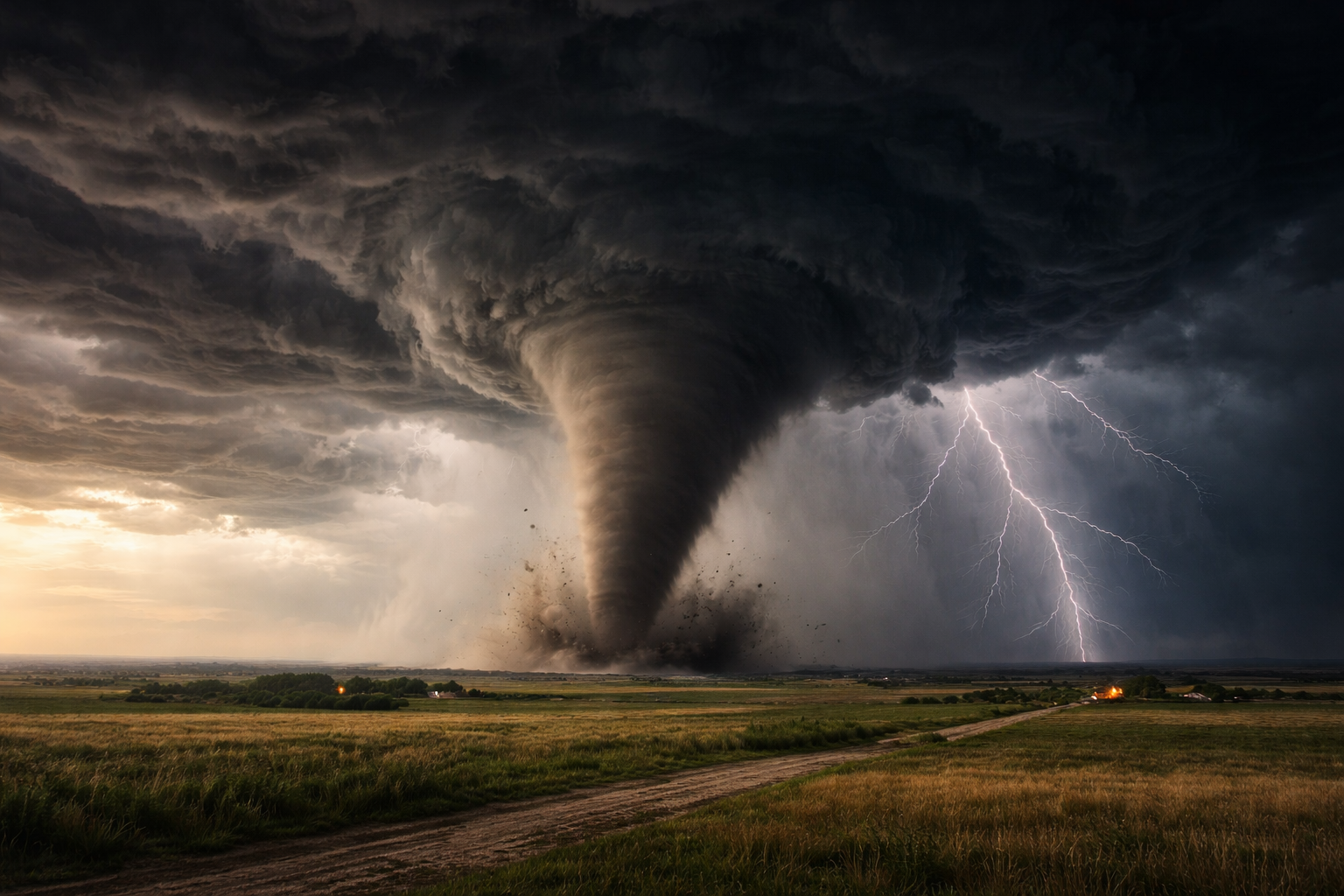
Under normal conditions — a light rain moving slowly across a region — that difference barely matters. But severe weather doesn’t move slowly. A typical tornado travels at around 30 mph, meaning it can cover half a mile or more between radar updates. What looked like a storm heading away from a city 10 minutes ago might be bearing down on it now.
When your visitors are making real-time safety decisions — whether to shelter in place, whether to leave a venue, whether to pull off the road — they need current information. A stale radar image isn’t just unhelpful. It’s potentially misleading.
How Traditional Radar Lags Behind
The National Weather Service radar network (NEXRAD) completes a full scan roughly every 5–6 minutes in standard precipitation mode, and up to 10 minutes in clear-air mode. During active severe weather, enhanced scanning modes like SAILS and MESO-SAILS can push low-level updates to as fast as 72 seconds.
The problem isn’t the source data — it’s what happens between the radar station and your website visitors. Many radar solutions cache data aggressively to reduce server load and bandwidth costs. That means even if the underlying radar data updates every 2 minutes, your website might be displaying a version that’s 8 or 10 minutes old because the solution provider isn’t pulling and serving fresh data on a tight cycle.
Consumer weather apps and general-purpose radar widgets are especially prone to this. They’re built for a broad audience checking whether to bring an umbrella — not for someone trying to track a tornado in real time. Their infrastructure isn’t optimized for speed because their users historically haven’t demanded it.
The Business Case for Fast Updates
For websites serving audiences in severe weather regions, fast radar updates aren’t just a feature — they’re what makes your site worth visiting during an emergency.
Think about the user behavior during an active tornado warning. Someone checks your site, sees a radar image, waits two minutes, refreshes, and sees the exact same image. They immediately lose confidence that your radar is live. They open a weather app instead. You’ve lost that visitor at exactly the moment they were most engaged and most likely to return in the future.
Contrast that with a radar that visibly updates every minute or two. Visitors can watch the storm move in near real time. They stay on the page. They share the link with family members. They come back the next time there’s a weather event because your site proved itself when it mattered.
Fast update speed is what separates a radar that functions as a live tool from one that functions as a static illustration.
What to Look for When Comparing Solutions
When evaluating radar solutions for your website, ask specifically about update frequency — and push for a concrete answer, not a vague claim about “real-time” data. “Real-time” is used loosely in the weather data industry and doesn’t always mean what it implies.
The questions worth asking: How frequently does the radar image on the embedded map refresh? Is that refresh rate consistent, or does it slow down during high-traffic periods? Does the solution pull directly from NEXRAD data, or does it use a cached or aggregated feed? What happens to update speed during a major severe weather outbreak, when server load is highest?
That last question matters more than most buyers consider. The times when fast updates are most critical — major tornado outbreaks, hurricane landfalls, widespread severe weather events — are exactly the times when radar solution servers are under the most strain. A provider that can’t maintain fast update speeds under load is one that will fail you precisely when your audience needs you most.
How ZoomRadar Handles Radar Update Speed
ZoomRadar is built specifically for websites that need reliable, fast radar during severe weather events — not casual consumer use. Its infrastructure is designed to maintain rapid update cycles even during high-demand weather events, pulling from the same NEXRAD data that professional meteorologists and broadcast stations rely on.
The result is a radar embed that your visitors can trust to show them current conditions — not a cached image from several minutes ago — when the weather is moving fast and the stakes are real.
Frequently Asked Questions
What is radar update speed and why does it matter?
Radar update speed refers to how frequently the radar image on your website refreshes with new data from the source. During severe weather, a tornado can travel half a mile or more between radar updates — making update speed the most critical technical specification for any website serving audiences in severe weather regions.
How often does ZoomRadar update its radar data?
ZoomRadar pulls from NOAA NEXRAD stations and is built to maintain rapid update cycles even during high-demand severe weather events. Its infrastructure is optimized for speed and reliability — not casual consumer use — so your visitors see current conditions rather than a cached image from several minutes ago.
Why do some radar solutions show stale data?
Many radar providers cache data aggressively to reduce server costs. Even if the underlying NEXRAD data updates every 2 minutes, your website may display a version that is 8–10 minutes old because the provider is not pulling and serving fresh data on a tight cycle. Always ask for a specific update frequency — not just a vague “real-time” claim.
What is NEXRAD radar and why does it matter for websites?
NEXRAD is the national network of Doppler radar stations operated by the National Weather Service, covering the continental US. It provides the highest-resolution publicly available radar data — the same data used by professional meteorologists and broadcast stations. ZoomRadar pulls directly from NEXRAD to deliver that professional-grade data to your website.
Does radar update speed slow down during major weather events?
This is a critical question to ask any radar provider. Major tornado outbreaks and widespread severe weather events are exactly when servers face the highest load — and exactly when fast updates matter most. ZoomRadar’s infrastructure is built specifically to maintain rapid update cycles during high-demand events.
How do I add fast, reliable radar to my website?
ZoomRadar embeds via a single URL paste into your website’s HTML editor — no developer required. After subscribing, ZoomRadar configures your custom radar map within 1–2 days. Plans start at $12 per month with publicly listed pricing and no sales process required.
Ready to Add Fast, Reliable Radar to Your Website?
ZoomRadar delivers professional-grade radar with rapid update cycles, built for websites that serve audiences during severe weather.