
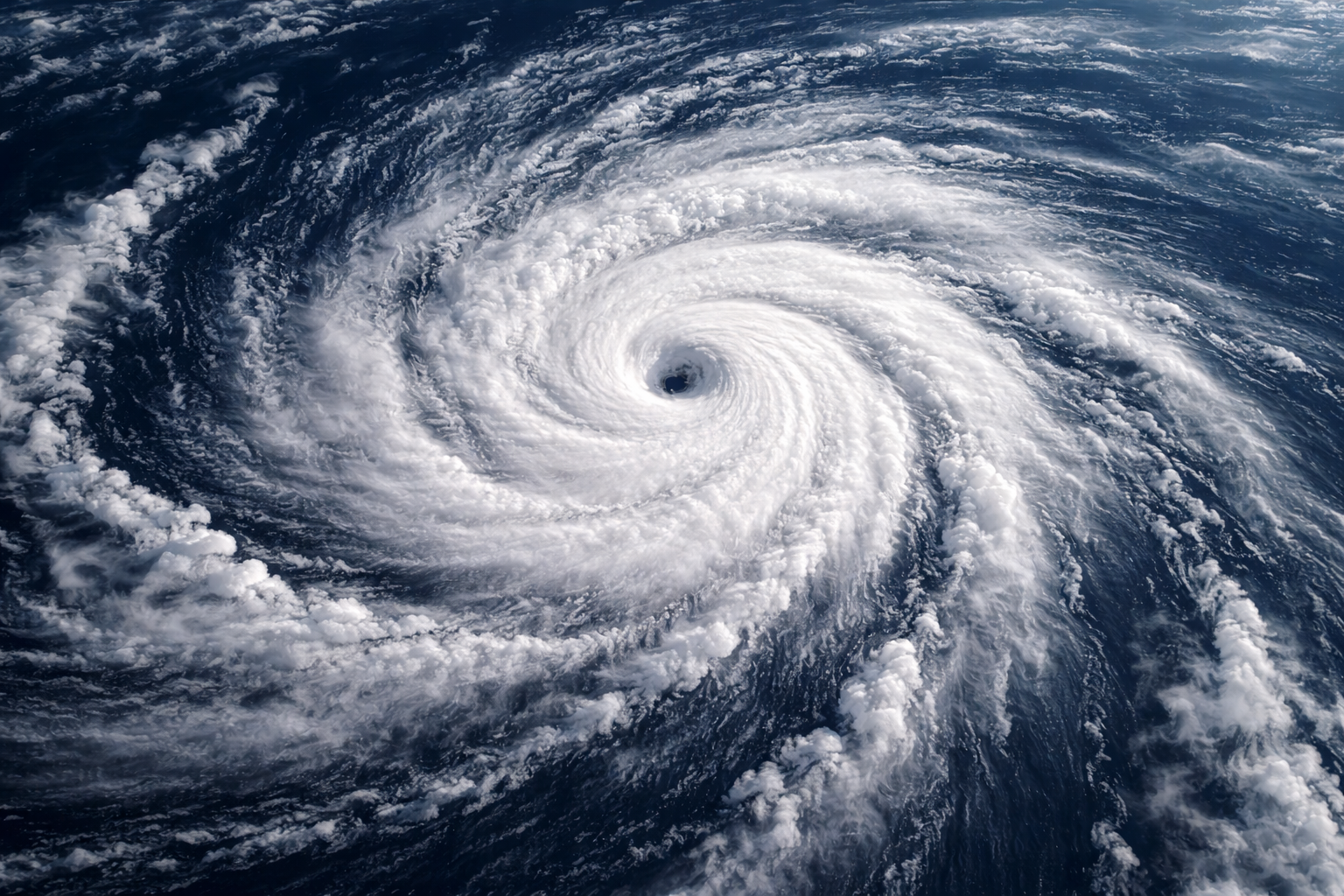
Tornado season arrives fast and leaves fast. Hurricane season is different — it runs for six months, storms are tracked for days before landfall, and the sustained attention they generate is unlike almost any other weather event. For websites serving audiences along the Gulf Coast, Atlantic Seaboard, or anywhere in a hurricane’s potential path, that sustained traffic window is both an opportunity and a test.
The sites that perform best during hurricane season aren’t the ones that scramble to add weather tools when a storm enters the Gulf. They’re the ones that were already ready.
When Is Hurricane Season and Why Does Your Website Need Radar?
The Atlantic hurricane season officially runs from June 1 through November 30, with peak activity concentrated in a shorter window. The statistical peak of hurricane season falls on September 10, when sea surface temperatures in the Atlantic and Gulf of Mexico are at their warmest and wind shear conditions are most favorable for storm development.
The most active window runs from mid-August through mid-October, when atmospheric conditions are most favorable for storm development and intensification. For websites serving Gulf Coast audiences in Texas, Louisiana, Mississippi, Alabama, and Florida, the practical reality is that hurricane preparedness content and live weather tools should be in place well before June 1 — because when a system develops and organizes quickly, there may not be time to set things up.
The National Hurricane Center begins issuing routine tropical weather outlooks on May 15, two weeks before the official season start. That’s the earliest signal that it’s time for Gulf Coast and Atlantic websites to have their weather tools live and tested.
What Hurricane Tracking Actually Requires on a Website
Hurricane tracking is fundamentally different from tornado tracking in one important way: the timeline. A tornado threat develops and resolves in minutes to hours. A hurricane can be tracked for a week or more before it makes landfall, giving your audience days of sustained engagement with your weather tools.
Live radar becomes critical in the 24–48 hours before landfall. As a storm approaches the coast, your audience shifts from tracking a distant system to monitoring real-time conditions — outer bands arriving, wind increasing, rain intensifying. A live radar map that shows current precipitation and storm structure is what visitors need during that window.
Storm track and cone of uncertainty information matters earlier in the storm’s life cycle, when people are making decisions about evacuation or preparation. While this is typically sourced from the National Hurricane Center, embedding or linking to that information prominently keeps visitors on your site rather than sending them elsewhere.
Rapid radar updates matter most during landfall. When a hurricane is making landfall, conditions are changing by the minute. The same update speed considerations that apply to tornado season apply here — a radar that refreshes every minute or two is meaningfully more useful than one updating every 10 minutes when a major storm is crossing the coast.
The Gulf Coast Website Checklist for Hurricane Season
- Embed live radar before June 1. The same principle that applies to tornado season applies here — setup before the season, not during the first storm. A live radar embed from a tool like ZoomRadar takes 1-2 days to configure and gives you a permanent weather resource on your site year-round.
- Create a dedicated hurricane tracking page. A stable URL gives you something to promote across social media when a storm develops, a page Google can index for local hurricane search terms, and a destination your audience learns to associate with storm coverage over time.
- Make it mobile-first. During hurricane season, a significant share of your audience may be checking conditions on their phones while preparing their home, evacuating, or sheltering. A radar embed that works well on mobile isn’t optional — it’s the primary use case during an active storm.
- Plan your content cadence in advance. Hurricane season rewards websites that have a content plan ready before storms develop. Evergreen preparation guides, evacuation route information, and local shelter resources can all be published before June and will drive organic search traffic throughout the season.
- Consider your hosting capacity. Major hurricane landfalls generate enormous traffic spikes for local and regional sites. Confirm your capacity before the season starts, not during a Category 4 landfall.
Why Hurricane Season Is a Longer-Term SEO Opportunity
Unlike tornado events, which are sudden and short-lived, hurricanes give websites weeks of sustained search traffic as a storm develops, intensifies, tracks toward land, and eventually makes landfall or dissipates. A site with a well-established weather section and live radar can capture search traffic at every stage of that cycle.
That extended window means hurricane season is one of the best opportunities of the year for local and regional websites to grow their audience, build email lists, and establish themselves as the go-to source for weather information in their coverage area. But only if the tools are already in place when the season starts.
Frequently Asked Questions
When is hurricane season and when should websites be ready?
The Atlantic hurricane season officially runs from June 1 through November 30, with peak activity from mid-August through mid-October. The National Hurricane Center begins issuing tropical weather outlooks on May 15. Gulf Coast and Atlantic websites should have live radar tools in place and tested before June 1 — not when a storm is already in the Gulf.
Why do Gulf Coast websites need live radar during hurricane season?
Live radar becomes critical in the 24–48 hours before landfall when your audience shifts from tracking a distant system to monitoring real-time conditions — outer bands, increasing wind, intensifying rain. A live radar map showing current precipitation and storm structure is what keeps visitors on your site rather than opening a weather app during the most critical hours.
How is hurricane tracking different from tornado tracking on a website?
A tornado threat develops and resolves in minutes to hours. A hurricane can be tracked for a week or more before landfall, giving your audience days of sustained engagement with your weather tools. That extended timeline means hurricane season provides weeks of sustained search traffic — not a single spike — making it one of the best SEO opportunities of the year for local and regional websites.
What should a hurricane season weather page include?
A dedicated hurricane tracking page should have a live radar map in a prominent position, a permanent URL you can promote on social media when a storm develops, and evergreen content like local evacuation routes and shelter resources. The page should be established and indexed by Google before June 1 — not created when a storm is already in the forecast.
Does ZoomRadar work for hurricane tracking?
Yes. ZoomRadar delivers live Level 2 Doppler radar from NOAA NEXRAD stations, updating every 4–5 minutes — the same data source used by professional meteorologists. It can be configured to focus on your specific Gulf Coast or Atlantic coverage area and embeds on your website via a simple iframe paste, no developer required.
How much does it cost to add hurricane tracking radar to a website?
ZoomRadar plans start at $12 per month with publicly listed pricing and no sales process required. Setup takes 1–2 days after subscribing. The same embed serves your audience during hurricane season, tornado season, and winter storm season — a permanent weather resource at a single monthly cost.
Ready to Add Live Radar Before Hurricane Season?
ZoomRadar gives any website professional-grade, real-time radar that’s ready for hurricane season. No code required, no data agreements — setup in 1-2 days, live on your site before the first storm of the season develops.